Winter in the Caribbean: The Ultimate Guide to Chartering a Yacht Under the Trade Winds
24 August 2026
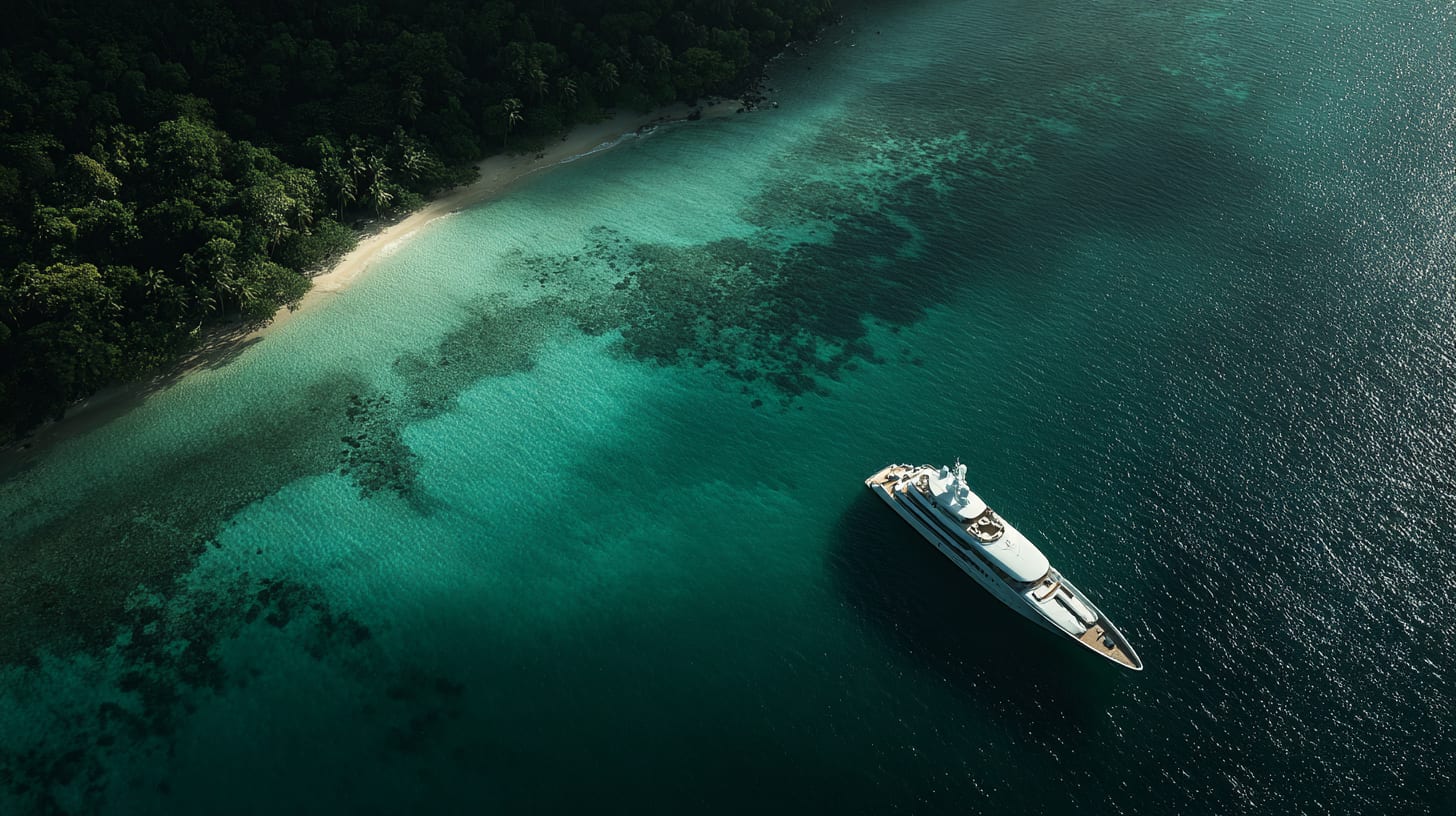
There is a particular kind of relief that arrives every November, somewhere around the moment the first grey mornings settle over London or New York, when a certain type of traveller starts scanning charter fleets between the British Virgin Islands and the Grenadines. The Caribbean winter charter season — running roughly from December through April — is not a trend. It is one of the oldest, most dependable rituals in yachting, built on a simple promise: reliable trade winds, warm turquoise water, and an escape from the northern hemisphere's darkest months.
For anyone considering a Caribbean yacht charter this winter, the region rewards those who plan with intention. With more than 7,000 islands and cays scattered across the eastern Caribbean alone, choosing where to sail matters almost as much as choosing the yacht itself.
Why Winter Is the Season That Matters
Hurricane season in the Caribbean runs from June through November, which is precisely why the industry — and discerning charterers — treat the December-to-April window as the main event. During these months, the trade winds blow a steady 15 to 25 knots, skies stay largely clear, and the fleet, having spent the autumn refitting and repositioning south from the Mediterranean, arrives freshly prepared for its busiest stretch of the year.
It is also, unsurprisingly, when demand peaks. Regatta weeks — Caribbean charter yacht week in December, the RORC Caribbean 600 in February, Antigua Sailing Week in late April — draw serious competition for berths, and the best crewed yachts are typically booked six to twelve months in advance. If a specific week or a specific vessel matters to you, early is not a suggestion; it is the strategy.
Choosing Your Waters: A Region of Distinct Personalities
The British Virgin Islands remain the natural starting point for most charterers, and for good reason. No passage in the BVI exceeds roughly 15 nautical miles, the anchorages are sheltered, and the infrastructure — moorings, marinas, beach bars — is unmatched anywhere in the Caribbean. The Baths at Virgin Gorda and the Soggy Dollar Bar on Jost Van Dyke have become part of sailing folklore for a reason. It is an easy, forgiving cruising ground that still manages to feel like an adventure.
The Bahamas ask more of a charter and give more in return. With over 700 islands spread across open water and passages that can run 50 nautical miles or further, this is a destination for charterers who want space, solitude, and genuinely singular experiences — swimming with the famous pigs of Exuma, diving Dean's Blue Hole, anchoring somewhere that feels entirely your own.
St Barts and St Martin deliver a different kind of winter escape, one built around lifestyle as much as sailing. St Martin's dual French-Dutch identity brings Michelin-calibre dining within a tender ride of the anchorage, while Gustavia's harbour in St Barts is, by March, one of the most photographed stretches of water in the yachting world.
Antigua and the Windward Islands — St Lucia, St Vincent, and the Grenadines down to Grenada — offer something closer to classic Caribbean sailing: steady trade winds, dramatic volcanic landscapes, and the kind of remote anchorages, like the Tobago Cays Marine Park, that reward charterers willing to venture further south.
What a Winter Charter Costs
The headline charter rate is only the starting point. A realistic winter Caribbean budget should account for an Advance Provisioning Allowance (APA) of roughly 20 to 40 percent of the base rate, covering fuel, food, and drink; a customary crew gratuity of 10 to 20 percent; and local taxes and mooring fees that vary meaningfully by jurisdiction — the Bahamas, for instance, applies VAT to the charter value, while marine parks such as Tobago Cays charge per-person and per-night fees. Most charters follow a standard 50/50 payment structure, with a deposit due at signing and the balance, plus APA, settled six to eight weeks before departure under MYBA or comparable industry contracts.
Booking With the Season, Not Against It
The single most useful piece of advice for anyone planning a winter Caribbean charter is also the simplest: decide early. The best yachts, the best weeks, and the best crews are finite, and the charterers who secure them are rarely the ones who called in November for a December departure. Whether the plan is a week hopping between the beach bars of the BVI, a more adventurous passage through the Exumas, or a lifestyle-driven week anchored off St Barts, the Caribbean's winter season remains, as it has for decades, the benchmark against which every other charter destination is measured.
Blue Meridian works with charterers planning winter escapes across the Caribbean, from first BVI charters to more ambitious itineraries through the Windward Islands. Get in touch to start planning your season.
Зима на Карибах: полный гид по яхтенному чартеру
24 August 2026
Есть особое чувство, которое возвращается каждый ноябрь — примерно в тот момент, когда серость окончательно окутывает Лондон или Нью-Йорк, — и определённый тип путешественников начинает листать флоты чартерных яхт между Британскими Виргинскими островами и Гренадинами. Зимний чартерный сезон на Карибах, который длится примерно с декабря по апрель, — это не тренд и не мода. Это один из самых старых и надёжных ритуалов в яхтинге, построенный на простом обещании: тёплая бирюзовая вода и побег от самых тёмных месяцев в северном полушарии.
Для тех, кто рассматривает аренду яхты на Карибах этой зимой, регион щедро вознаграждает тех, кто планирует заранее и осознанно. Только в восточной части Карибского бассейна разбросано более 7 000 островов и рифов — и выбор маршрута здесь имеет значение не меньше, чем выбор самой яхты.
Почему именно зима — главный сезон
Сезон ураганов на Карибах длится с июня по ноябрь, и именно поэтому индустрия — как и опытные чартерные брокеры — считают окно с декабря по апрель главным событием года. В эти месяцы ветра дуют стабильно, 15–25 узлов, небо остаётся преимущественно ясным, а флот, проведший осень на рефите и переходе на юг из Средиземного моря, встречает сезон полностью готовым к самому напряжённому периоду в году.
Неудивительно, что именно на эти месяцы приходится пик спроса. Регатные недели — Caribbean Charter Yacht Show в декабре, гонка RORC Caribbean 600 в феврале, Antigua Sailing Week в конце апреля — создают серьёзную конкуренцию за места у причала, и лучшие яхты с экипажем обычно бронируются за шесть–двенадцать месяцев. Если для вас важна конкретная неделя или конкретное судно, раннее бронирование — не рекомендация, а единственная рабочая стратегия.
Выбор акватории: регион с ярко выраженными характерами
Британские Виргинские острова (BVI) остаются естественной отправной точкой для большинства чартеров — и не без причины. Ни один переход здесь не превышает примерно 15 морских миль, якорные стоянки защищены, а инфраструктура — мостики, марины, пляжные бары — не имеет равных во всём Карибском регионе. The Baths на острове Верджин-Горда и бар Soggy Dollar на Jost Van Dyke давно стали частью яхтенного фольклора не случайно. Это лёгкая, снисходительная к ошибкам акватория, которая при этом умудряется дарить настоящее ощущение приключения.
Багамы требуют от чартера много — и взамен дают больше. Более 700 островов, разбросанных по открытой воде, переходы в 50 морских миль и дальше — это направление для тех, кто ищет простор, уединение и по-настоящему уникальные впечатления: плавание со знаменитыми свиньями на Эксуме, погружение в Голубую дыру Дина, стоянку на якоре там, где никого больше нет.
Сен-Бартс и Сен-Мартен предлагают совсем другой тип зимнего отдыха — построенный вокруг стиля жизни не меньше, чем вокруг парусного дела. Двойная франко-голландская идентичность Сен-Мартена приближает рестораны мишленовского уровня буквально на расстояние тендера от якорной стоянки, а гавань Густавии на Сен-Бартсе к марту становится одной из самых фотографируемых акваторий в мире яхтинга.
Антигуа и Наветренные острова — Сент-Люсия, Сент-Винсент и Гренадины вплоть до Гренады — предлагают что-то более близкое к классическому карибскому парусу: устойчивые пассаты, впечатляющие вулканические пейзажи и по-настоящему удалённые стоянки, такие как морской парк Tobago Cays, которые вознаграждают тех, кто готов уйти дальше на юг.
Сколько стоит зимний чартер
Заявленная стоимость чартера — это лишь стартовая точка. Реалистичный бюджет зимнего карибского чартера должен учитывать APA (Advance Provisioning Allowance, аванс на провизию и расходники) в размере примерно 20–40% от базовой ставки — он покрывает топливо, еду и напитки; традиционные чаевые экипажу в 10–20%; а также местные налоги и портовые сборы, которые заметно различаются в зависимости от юрисдикции: на Багамах, например, на стоимость чартера начисляется НДС, а морские парки вроде Tobago Cays взимают плату за человека и за ночь стоянки. Большинство чартеров следуют стандартной схеме оплаты 50/50 — депозит при подписании и остаток вместе с APA за шесть–восемь недель до начала чартера, по договору MYBA или сопоставимому отраслевому стандарту.
Бронировать в такт сезону, а не вопреки ему
Самый полезный совет для тех, кто планирует зимний чартер на Карибах, одновременно и самый простой: решайте заранее. Лучшие яхты, лучшие недели и лучшие экипажи — ресурс ограниченный, и те, кто их получает, почти никогда не звонят в ноябре с просьбой о декабрьском departure. Будь то неделя, проведённая между пляжными барами BVI, более авантюрный переход через Эксумы или отдых в стиле жизни у берегов Сен-Бартса — зимний карибский сезон остаётся, как и десятилетия назад, эталоном, по которому оценивают любое другое чартерное направление в мире.
Blue Meridian сопровождает клиентов при планировании зимних маршрутов по Карибскому бассейну — от первого чартера на BVI до более амбициозных маршрутов через Наветренные острова. Свяжитесь с нами, чтобы начать планировать ваш сезон.